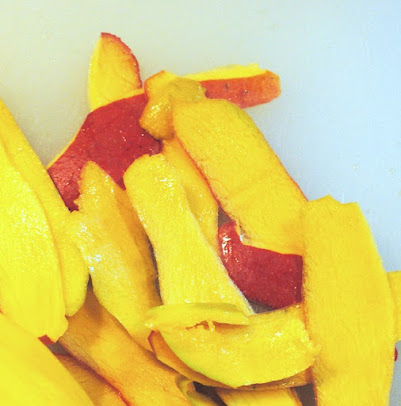
Mangifera indica, commonly known as the mango, is not only a popular tropical fruit but also a source of significant medicinal properties. One of its notable health benefits is its antihyperlipidemic activity, which refers to its ability to lower lipid levels in the blood. This activity is primarily attributed to mangiferin, a bioactive compound found abundantly in various parts of the mango tree, including the leaves, bark, and fruit.
Mangiferin has garnered attention for its potent antioxidant properties, which play a pivotal role in reducing oxidative stress and preventing lipid peroxidation. Oxidative stress results from an imbalance between free radicals and the body's ability to neutralize them with antioxidants. This imbalance can damage lipids, proteins, and DNA, contributing to a variety of diseases, including hyperlipidemia and atherosclerosis. Lipid peroxidation, specifically, refers to the oxidative degradation of lipids, which leads to cell membrane damage and increased levels of lipids in the bloodstream. Mangiferin helps counteract this process by scavenging free radicals, thereby preserving the integrity of cell membranes and minimizing the harmful accumulation of lipids in the blood. This protective action is crucial in reducing the risk of cardiovascular diseases, where elevated lipid levels are a significant factor.
Beyond its antioxidant properties, mangiferin has been shown to influence cholesterol metabolism directly. Scientific studies indicate that mangiferin can significantly reduce levels of total cholesterol (TC), triglycerides (TG), and low-density lipoprotein cholesterol (LDL-C), commonly referred to as "bad" cholesterol. Elevated levels of LDL-C and triglycerides are risk factors for cardiovascular diseases as they contribute to the formation of atherosclerotic plaques, which can block arteries. Conversely, mangiferin increases high-density lipoprotein cholesterol (HDL-C), often referred to as "good" cholesterol, which helps in transporting cholesterol from the arteries to the liver for excretion. This balancing effect on lipid levels is achieved through various mechanisms, including the inhibition of cholesterol synthesis in the liver, enhancement of lipid metabolism, and regulation of enzymes involved in lipid processing.
In conclusion, the antihyperlipidemic activity of Mangifera indica, particularly due to mangiferin, highlights its potential as a natural therapeutic agent for managing hyperlipidemia and promoting cardiovascular health. While these findings are promising, further research and clinical trials are needed to fully understand its efficacy and optimize its use in medical applications.
Antihyperlipidemic and Antioxidant Benefits of Mangifera indica: The Role of Mangiferin
Mango is one of the popular fruits in the world due to its attractive color, delicious taste and excellent nutritional properties. Known for its sweet fragrance and flavor, the mango has delighted the senses for more than 4000 years. A celebrated fruit, mango, now produced in most of the tropical parts of the globe.
Showing posts with label antioxidant. Show all posts
Monday, October 14, 2024
Friday, March 11, 2022
Bioactive compounds in mango peels
Mango peel is a major byproduct obtained during the processing of mango products such as mango pulp and amchur. The peels are little used for processed foods, and which have potential of being a functional ingredient.
The peel and seed of mango has a significant potential benefit due to its powerful antioxidant properties and high content of phenolic compound. Mango peels contain mangiferin, norathyriol, and resveratrol, which are powerful antioxidants that may help prevent or fight cancers including lung, colon, breast, brain, and spinal cord cancers.
Bound polyphenolic and flavonoid contents were in the range of 8.1–29.5 and 0.101–0.392 mg/g, respectively, and were found to be more in ripe peel than in raw peel. Mango peels also contain triterpenes and triterpenoids, which are plant compounds that help fight cancer and diabetes.
The peel is also packed with fiber, which is important for digestive health and regulating hunger. The total dietary fiber content in mango peel was in the range of 40.6–72.5%. Galactose, glucose and arabinose were the major neutral sugars in insoluble and soluble dietary fibers.
One of the techniques to optimize the extraction of compounds present in fruit peels is the addition of pectinases enzymes in the maceration process. The addition of pectinases in fruit maceration degrades the pectin present in the peels and facilitates the release of compounds, resulting in a better extraction of the bioactive compounds.
Bioactive compounds in mango peels
Labels:
antioxidant,
compound,
mango peel
Monday, December 28, 2020
Quercetin: A polyphenolic flavonoid compound
Quercetin (3, 5, 7, 3′, 4′- pentahydroxyflavone) is classified as a flavonol which is one of the five subclasses and major dietary flavonoids distributed in both cultivated and wild plants.
Quercetin is a polyphenolic flavonoid compound derived food compounds and is present in various mangos.
Quercetin generally exists in edible plants and is among the most efficient antioxidants of the flavonoids. These compounds have pivotal role in treatment of diabetes, cancers and some cardiovascular diseases.
The antioxidant activity of quercetin is mainly manifested through its effect on glutathione (GSH), enzymatic activity, signal transduction pathways, and reactive oxygen species (ROS) caused by environmental and toxicological factors.
Quercetin is a yellow, crystalline solid with a bitter taste, which is insoluble in water, slightly soluble in alcohol, and soluble in glacial acetic acid and aqueous alkaline solutions.
Quercetin is a member of a group of naturally occurring compounds, the flavonoids, which have a common flavone nucleus composed of two benzene rings linked through a heterocyclic pyrone ring.
A hydroxyl group in third carbon, a double bond between second and third carbon, a carbonyl group in fourth carbon and polyhydroxylated A and B aromatic rings have main role in antioxidant proprieties of these compounds.
Quercetin is found in various food products and plants, including fruits, seeds, vegetables, tea, coffee, bracken fern, and natural dyes. Quercetin is usually obtained from the hydrolysis of rutin (quercetin-3- rutinoside), a naturally occurring flavonoid glycoside although it can also be synthesized.
Quercetin: A polyphenolic flavonoid compound
Labels:
antioxidant,
flavonoid,
quercetin
Friday, September 25, 2020
β-carotene antioxidant activities
Mangos contain both provitamin A carotenoids(carotenes) such as α-carotene, β-carotene, and γ-carotene; and oxygenated carotenoids(xanthophylls) such as β-cryptoxanthin, lutein, zeaxanthin, violaxanthin, antheraxanthin, auroxanthin, and neoxanthin.
The fruit has a characteristic yellow-orange color due to the presence of carotenoids, predominantly β-carotene(pro-vitamin A), which makes the extraction of carotenoids from this fruit commercially important. Among carotenoids, beta carotene is the most commonly found substance in dietary supplements. Majority of the colors in fruits and plants are primarily due to this particular pigment.
β-Carotene is a secondary metabolite synthesized by plants and belongs to an unoxidized compound group of carotenoids. Being a polyene compound, derived from the acyclic structure, C40H56 possesses a long chain of conjugated double bonds. The high temperature promotes the isomerization of double bonds, which results in brightening of the resulting color.
β -carotene from fruit may enhance LDL degradation and prevent cardiovascular disease and lower the risk of various cancer disease because carotenoids are among the most effective singlet oxygen quenchers in nature. Other functions of β-carotene in the human body including the important one is related to provitamin A supply, further affecting embryonic development, correct growth, and sight. It is considered as an inhibitor of some genes; moreover, it exhibits anticancer and antioxidant properties.
A number of studies have already been done on β-carotene as a free radical scavenging agent. The studies have proved to be significant in terms of its antioxidant effect. It was also found that the free radical scavenging activity of carotenoids was enhanced when combined with several other antioxidants like vitamin E.
β-carotene antioxidant activities
Labels:
antioxidant,
carotenoid,
β-carotene
Friday, November 29, 2019
Polyphenol and antioxidants health capacity
High consumption of fruit and vegetables has been associated with protection against chronic diseases such as cancer, cardiovascular and neurodegenerative diseases. These beneficial effects of fruits and vegetables have been attributed partly to the antioxidant activity of their phytochemical constituents.
The mango is a rich source of various polyphenolic compounds. The major polyphenols in the mango in terms of antioxidative capacity and/or quantity are: mangiferin, catechins, quercetin, kaempferol, rhamnetin, anthocyanins, gallic and ellagic acids, propyl and methyl gallate, benzoic acid, and protocatechuic acid.
Antioxidants are substances that can prevent or delay the oxidative damage of lipids, proteins and nucleic acids by reactive oxygen species (ROS), which include free radicals such as hydroxyl, peroxyl and non-radicals such as hydrogen peroxides.
Polyphenols are secondary metabolites of plants and are widely distributed in beverages and plant‐derived foods. It is well known that phytochemical compounds of phenolic compounds have the capacities to quench lipid peroxidation, prevent DNA oxidative damage, scavenge free radicals, and prevent inhibition of cell communication, all of which are precursors to degenerative diseases.
Phenolic compounds are associated with the health benefits deriving from consuming high levels of fruits. Mango is regarded as a valuable source of phytochemical compounds.
Mangiferin is a plant natural polyphenol of xanthone structure with C-glucosyl linkage and four aromatic hydroxyl groups that have been considered crucial for its antiradical and antioxidant effect as well as for its pharmacological activity. This polyphenolic xanthonoid is one of the most potent antioxidants known, mainly found in many Anacardiaceae and Gentianaceae plant families.
Polyphenol
and antioxidants health capacity
Labels:
antioxidant,
health benefits,
polyphenol
Monday, November 18, 2019
Polyphenolic antioxidants in mango peel
Mangoes are a potential source of flavonoids and carotenoids, which makes them a food with good bioactive potential. The main bioactive compounds found in mangoes are polyphenols mangiferin, catechins, quercetin, kaempferol, gallic acid, and benzoic acid, which are compounds associated with the prevention of degenerative diseases, including cancer, cardiovascular diseases, and diabetes.
Among the different parts, fruit peels are rich in polyphenolic compounds, flavonoids, ascorbic acid, and this makes them valuable in making antioxidants.
Mango peels (MP) is a rich source of phenolic compounds with antioxidant activity.
Anti-proliferative activities in mango peel also has been reported. It has been reported that peel was a good source of phytochemicals, such as polyphenols, carotenoids, and it exhibited good antioxidant properties. It is commonly considered that the concentration and composition of phenolics is affected by genetic, agronomic and environmental factors.
Throughout processing of mango, peels are the major by-product, approximately 7-24% of the fruit. The peels are little used for processed foods, and which have potential to be used for value-added applications in functional foods and nutraceuticals. Studies have shown that this material contains phytochemical compounds of nutritional interest.
Polyphenolic antioxidants in
mango peel
Labels:
antioxidant,
compound,
mango peel,
polyphenol
Wednesday, November 13, 2019
Carotenoid in mango
A mango’s rich, yellow-orange flesh color contributes more than just a beautiful hue to the tropical fruit. Colour pigments, termed Carotenoids, are responsible for the characteristic colour of mango.
Carotenoids have very diverse roles in biological functions of animals and plants including provitamin A activity, antioxidant activity, cell communication, immune function enhancement, UV skin protection, accessory pigments for light harvesting, and protection against photo-oxidative damage.
Carotenoids, which impart yellow, orange, and/or red colors to many fruits, have antioxidant health properties which it can help in preventing the free radical damage. Thus, carotenoids have been noted as being the most abundant micronutrients found in cancer-preventative foods. Antioxidants help to repair damage to the body caused by free radicals, which can contribute to a range of health problems including cancer, diabetes and heart disease.
The action of carotenoids against diseases has been attributed to antioxidant properties, especially their ability to quench singlet oxygen and interact with free radicals which take part in modulation of carcinogen metabolism, inhibition of cell proliferation, enhancement of cell differentiation, stimulation of cell to cell communication.
Carotenoids comprise the colorful pigments of many fruits. Some of these, such as beta carotene, alpha carotene, and beta cryptoxanthin, are precursors of vitamin A. Vitamin A is needed for eyesight and nerve health.
Carotenoid
in mango
Labels:
antioxidant,
carotenoid,
health
Monday, April 16, 2018
Pharmacological properties of mangiferin
Mangiferin (1,3,6,7-tetrahydroxy-2-[3,4,5-trihydroxy-6-(hydroxymethyl)oxan-2-yl]xanthen-9-one) is a naturally occurring polyphenol in several fruits, one being Mangifera indica L., one of the most popular tropical fruit bearing trees in the world.
Mango leaves have been used by traditional medicine of a number of peoples for centuries. The key biological substance in them is a polyphenol called mangiferin. Mangiferin commonly used as antioxidant for medical purposes.
Mangiferin inhibited the hydroxyl radicals by 84.3 % at 37 °С and 79.8 % at 80°С, as it showed a higher antioxidant activity than quercetine.
Mangiferin is a heat stable molecule and it possesses antioxidant, antidiarrhea, dyslipidemic, anti-diabetic, antibacterial and anticancer activities.
Studies have suggested that Mangiferin also has an in vitro anticancer effect in cellular lines of acute myeloid leukemia. It was also reported Mangiferin as a promising natural product with benefits as analgesic, anti-sclerotic, antiviral, cardio and hepatoprotective, anti-allergic, monoamine oxygenase (MAO) inhibitor, and protector against UV radiation.
These polyphenols of mangiferin exhibit antioxidant properties and tend to decrease the oxygen-free radicals, thereby reducing the DNA damage. Indeed, its capability to modulate several key inflammatory pathways undoubtedly helps installing the progression of carcinogenesis.
Pharmacological properties of mangiferin
Mango leaves have been used by traditional medicine of a number of peoples for centuries. The key biological substance in them is a polyphenol called mangiferin. Mangiferin commonly used as antioxidant for medical purposes.
Mangiferin inhibited the hydroxyl radicals by 84.3 % at 37 °С and 79.8 % at 80°С, as it showed a higher antioxidant activity than quercetine.
![]() |
| Mango leaves |
Studies have suggested that Mangiferin also has an in vitro anticancer effect in cellular lines of acute myeloid leukemia. It was also reported Mangiferin as a promising natural product with benefits as analgesic, anti-sclerotic, antiviral, cardio and hepatoprotective, anti-allergic, monoamine oxygenase (MAO) inhibitor, and protector against UV radiation.
These polyphenols of mangiferin exhibit antioxidant properties and tend to decrease the oxygen-free radicals, thereby reducing the DNA damage. Indeed, its capability to modulate several key inflammatory pathways undoubtedly helps installing the progression of carcinogenesis.
Pharmacological properties of mangiferin
Labels:
antioxidant,
health,
mangiferin
Friday, March 16, 2018
Phenolic compounds
Phenolic compounds are secondary metabolites that are quite widespread in nature. They play several physiological roles in plants where they occur, but many of them are also favorable to human health because of their antioxidant activity. Phenolic have one or more hydroxyl groups on the aromatic skeleton. Phenols represent group of compound that have more than one phenolic hydroxyl group attachéd to one or more benzene rings.
Phenolics can exhibit simple structures such as arbutin, or complex ones such as those characteristics of the tannin class. They are most frequently linked to sugars, which render themselves polar compounds, or they can be permethylated or methoxylated, becoming nonpolar compounds as what happens with flavonoids found in cuticular waxes.
They provide essential functions in the reproduction and the growth of the plants; acting as defense mechanism against pathogens, parasites and predators; as well as contributing to the color of plants.
Phenolic compounds make an important contribution to the antioxidant capacity of mango. The main phenolic compounds identified in commercial mango puree concentrate were gallic acid, mangiferin, seven different quercetin and five kaempferol glycosides, and many uncharacterized hydrolyzable tannins, called gallotannins.
The phenolic compounds of the mango juice comprise mostly of phenolic acids, followed by flavan-3-ols and flavonols.
Phenolic compounds
![]() |
| Structure of mangiferin |
They provide essential functions in the reproduction and the growth of the plants; acting as defense mechanism against pathogens, parasites and predators; as well as contributing to the color of plants.
Phenolic compounds make an important contribution to the antioxidant capacity of mango. The main phenolic compounds identified in commercial mango puree concentrate were gallic acid, mangiferin, seven different quercetin and five kaempferol glycosides, and many uncharacterized hydrolyzable tannins, called gallotannins.
The phenolic compounds of the mango juice comprise mostly of phenolic acids, followed by flavan-3-ols and flavonols.
Phenolic compounds
Labels:
antioxidant,
phenolic
Friday, December 29, 2017
What is mangiferin?
It is xanthonoid found in mangoes. Mangiferin (1,3,6,7 – tetrahydroxyxanthone –C2- β- D-glucoside) is synthesized in leaves and remains stored at bark. During flushing, mangiferin is mobilized into the growing region and is utilized forming new shoots and leaves.
Mangiferin commonly used as antioxidant for medical purposes. Mangiferin from the leaves has been reported to possess anti-inflammatory, diuretic, chloretic and cardiotonic activities and displays a high antibacterial activity against gram positive bacteria.
It has been recommended as a drug in preventing dental plaques. Mangiferin shows antiviral effect against type I herpes simplex virus which could be useful in anti-herpes ointments. Mangiferin also has shown anti-hyperlipidemic and anti-atherogenic properties.
In addition, the chemical structure of mangiferin strongly favors iron chelation - a property that enhances its antioxidant properties.
What is mangiferin?
Labels:
antioxidant,
health,
mangiferin
Monday, January 25, 2016
Beta-cryptoxanthin
Mango fruit is an excellent source of Vitamin-A and flavonoids like beta-carotene, alpha-carotene, and beta-cryptoxanthin. Beta-cryptoxanthin has not only characteristics as pro-vitamin A but also high anti-carcinogenic action and high antioxidant action.
The main medical application reported for beta-cryptoxanthin is in bone homeostasis. It has a stimulatory effect on bone calcification and in periodontitis preventing bone resorption most likely by inhibiting the interleukin production induced by bacteria pathogens and mechanical stress.
In Singapore, scientists examined the diet and heath of more than63,000 men and women over an eight year time span. They found that those who ate the most beta-cryptoxanhin were 27 percent less likely to develop lung cancer.
In twenty-three year long study from Finland, researchers reported that among antioxidants, only vitamin E and beta-cryptoxanthin proved effective at reducing the risk of type 2 diabetes.
Beta-cryptoxanthin tends to be affected by light, heat and oxygen. It tend to be isomerism by light and heat and furthermore, polyene is cleaved by oxidation.
Beta-cryptoxanthin
Labels:
anti-carcinogenic,
antioxidant,
beta-cryptoxanthin,
health,
research
Wednesday, May 8, 2013
Antioxidant in mango
Bioactive compounds can protect against diseases via several mechanisms, but it is believed that the antioxidant activity is extremely important for protection against diseases related to oxidative stress.
Mango contains at least three classes of compounds, i.e ascorbic acid, carotenoids and phenolic components that can support the antioxidant defense in humans.
Antioxidants like phenolics and carotenoids can scavenge reactive oxygen species and protect against degenerative diseases like cancer, cardiovascular diseases.
The phenolics were assumed to be mainly gallic and ellagic acids and gallates. Mangoes are grate sources of betacarotene, quercetin and astragalin.
These are helpful antioxidants that neutralize freed radicals. Free radicals can damage cells and lead to heart disease, cancer, untimely aging and degenerative diseases.
The concentration of antioxidants varies greatly with genotypes and pre- and postharvest factors such as climatic conditions, agricultural practices, harvest maturity, ripening stage, storage and processing.
Antioxidant in mango
Labels:
antioxidant,
carotenoid,
health,
phenolic
Saturday, December 1, 2007
Mango and health benefits
Mangoes are full packed with vitamins, minerals and anti-oxidants and contain like all fruits very few proteins, fats and calories.
Mangos contain also a lot of tryptophan, the precursor of the "happiness-hormone" serotonin. What is tryptophan. Tryptophan is one of the 20 standard amino acids, as well as an essential amino acid in the human diet. It is encoded in genetic code as the codon UGG.
Only the L-stereoisomer of tryptophan is used in structural or enzyme proteins, but the D-stereoisomer is occasionally found in naturally produced peptides (for example, the marine venom peptide contryphan). The distinguishing structural characteristic of tryptophan is that it contains an indole functional group.
Mango (Mangifera indica) has been proven to be a good complementary food for children of weaning age. It meets the vitamin and energy requirements of children of 6-24 months of age at three servings a day and at the FAO average breast-feeding frequency.
Mangiferin commonly used as antioxidant for medical purposes. Mangiferin from the leaves has been reported to possess anti-inflammatory, diuretic, chloretic and cardiotonic activities and displays a high antibacterial activity against gram positive bacteria.
It has been recommended as a drug in preventing dental plaques. Mangiferin shows antiviral effect against type I herpes simplex virus which could be useful in anti-herpes ointments.
The bark of the mango tree contains 16 - 20% tannin and also mangiferine. It acts ad stringent and is believed to possess a tonic action on the mucous membrane. It is anathematic, useful in hemoptysis, hemorrhage, nasal catarrh, diarrhea, ulcers, diphtheria, rheumatism and for lumbrici. It is also used in diphtheria and rheumatism.
Mango and health benefits
Labels:
antioxidant,
health benefits,
mangiferin,
mango fruit,
mangoes
Subscribe to:
Posts (Atom)
Popular Posts
-
History and Origin of Mango The mango has been known in India since very early times. It is referred to in Sanskrit literature as Amra and h...
-
This tropical fruit is high in vitamin C. Mango fruits contain 10-20 percent sugar and are important source of vitamin A. They have a rich,...
-
Uses of Mango and Nutritional Composition Mango is commonly eaten fresh and depending upon the cultivar may be consumed at an immature (unri...
-
The mango is believed to have been discovered as long as five to six thousand years in eastern India, Thailand, Myanmar, the Andaman Islands...